Learn how to choose reliable heavy truck chassis parts suppliers in China. Discover key factors including OEM compatibility, production capacity, quality control, and stable supply.
Introduction
China has become one of the world’s largest manufacturing hubs for heavy truck chassis parts. From axle assemblies and differential systems to reducer housings and gears, global distributors increasingly rely on Chinese suppliers for cost-effective and stable procurement.
However, choosing the right supplier is not only about pricing. Poor-quality products, unstable delivery schedules, and incompatible OEM parts can create serious problems for distributors and repair businesses.
In this article, we will discuss several important factors buyers should consider when selecting a reliable heavy truck chassis parts supplier in China.
1. Check Product Specialization
Many suppliers claim to offer “all types of truck parts,” but experienced buyers know that specialization matters.
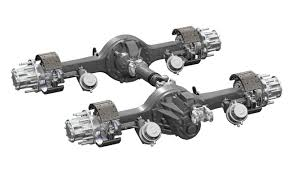
A professional chassis parts supplier should focus on products such as:
- Axle assemblies
- Differential systems
- Main reducers
- Wheel hub assemblies
- Transmission gears
- Suspension components
Suppliers with specialized production experience usually have better machining accuracy, more stable quality control, and stronger OEM matching capabilities. This is especially important for heavy-duty truck brands such as Sinotruk, Shacman, FAW, Dongfeng, and Foton.
2. Verify OEM Compatibility
One of the most common issues in international procurement is incorrect OEM matching. Even if two parts look similar, differences in dimensions, gear ratios, spline structures, or bearing specifications can cause installation failures.
Reliable suppliers should be able to provide:
- OEM reference numbers
- Technical drawings
- Product dimensions
- Vehicle compatibility information
- Cross-reference support
Professional OEM matching support can significantly reduce return rates and after-sales disputes.
3. Evaluate Production Capacity
Stable supply capacity is extremely important for distributors. Some suppliers may offer attractive prices initially but fail to maintain delivery schedules during peak seasons.
Before cooperation, buyers should evaluate:
- Factory scale
- Number of production lines
- Equipment capability
- Monthly output
- Inventory management
- Export experience
Suppliers with integrated production systems usually provide better long-term stability.
4. Understand Quality Control Standards
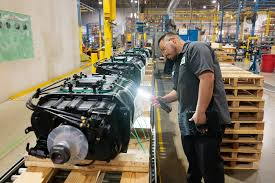
Quality problems can directly affect customer trust and maintenance costs. A reliable heavy truck parts supplier should implement strict inspection procedures throughout production.
Common quality control processes include:
- Raw material inspection
- Heat treatment control
- Hardness testing
- Gear precision inspection
- Assembly testing
- Final product inspection
For chassis components such as differential gears and reducers, material strength and machining precision are especially critical. Low-quality components may lead to abnormal noise, overheating, or premature wear.
5. Compare More Than Just Price
Many buyers focus heavily on unit price during supplier selection. However, extremely low prices often indicate compromises in materials or manufacturing standards.
Instead of choosing the cheapest option, professional buyers usually evaluate:
- Product consistency
- Packaging quality
- Communication efficiency
- Delivery reliability
- Technical support
- Warranty handling
Long-term cooperation with a stable supplier often reduces overall operating costs.
6. Communication and After-Sales Support Matter
Efficient communication is essential in international business.
A professional supplier should provide:
- Fast quotation response
- Clear product documentation
- Stable communication channels
- Technical assistance
- After-sales support
Suppliers familiar with export procedures can also help buyers avoid unnecessary delays in shipping and customs clearance.
Conclusion
Choosing a reliable heavy truck chassis parts supplier in China requires more than comparing prices.
Buyers should carefully evaluate product specialization, OEM compatibility, production capacity, quality control systems, and long-term supply stability.
A professional supplier not only provides products but also helps distributors reduce risks, improve operational efficiency, and build long-term market competitiveness.
As global demand for heavy-duty truck spare parts continues to grow, stable partnerships will become increasingly important for international distributors and repair businesses.